
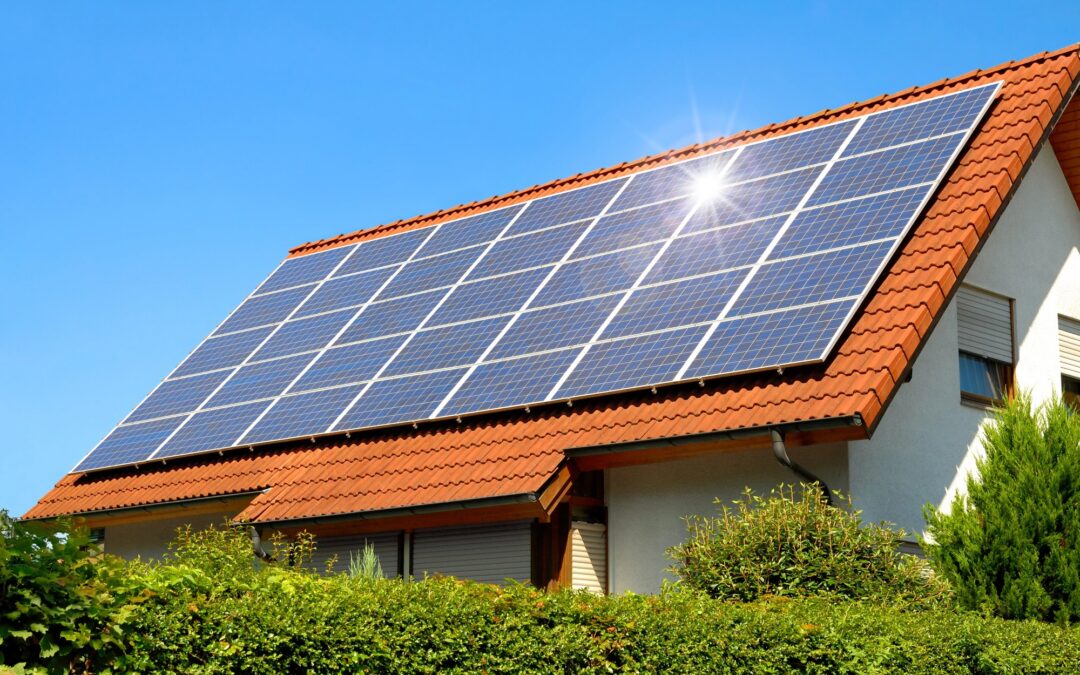
Solar panels have become increasingly popular in Australia as homeowners seek to reduce energy costs and embrace renewable energy. Australians are treated to a lot of sunshine, especially in Queensland, providing an abundance of untapped energy right over our rooftops. But the question is: are the benefits big enough to make investing in solar worthwhile?
The biggest payoff is the financial one of offsetting energy consumption with free energy. Previously, feed-in tariffs added a nice supplement on top, but as those tariffs tumble, where does that leave homeowners considering green energy options?
For most Australians, installing solar panels can pay for itself within 2-5 years, making it a worthwhile investment.
The average cost of a 6.6kW solar system in Australia varies by state but typically ranges from $5,000 to $8,000 after government rebates. The table below shows the installed price by state of, 3kW, 6kW and 10Kw solar panels after the government upfront incentive has been granted.
| City | 3kW | 6kW | 10kW |
| Australian Average | $4,120 | $5,950 | $8,950 |
| Brisbane | $3,710 | $5,110 | $8,110 |
| Melbourne | $3,730 | $5,180 | $7,920 |
| Adelaide | $3,890 | $5,100 | $8,050 |
| Perth | $4,080 | $5,900 | $8,820 |
| Sydney | $4,090 | $5,200 | $7,910 |
| Canberra | $4,240 | $5,490 | $8,210 |
| Hobart | $4,490 | $6,290 | $9,490 |
| Darwin | $4,730 | $9,320 | $13,060 |
Source January 2025
While prices have decreased significantly over the past decade, recent global events have caused slight increases due to supply chain disruptions and rising production costs. Despite this, solar remains an attractive option for many households.
Beyond financial savings, solar panels contribute to reducing carbon footprints and supporting Australia’s transition to renewable energy. They can also increase property value and rental yields, providing additional long-term benefits for homeowners. Solar options also give homeowners some independence from the main power supply which can be unreliable in extreme weather events.
This article will examine the costs, benefits, and payback periods of residential rooftop solar installations to help readers determine if solar power is right for their situation.
What Are Solar Panels and How Do They Work?
Solar panels are a technology that converts sunlight into electricity. They consist of photovoltaic (PV) cells made from silicon or other semiconducting materials.
When sunlight hits the PV cells, it triggers the photovoltaic effect. This process excites electrons within the cells, causing them to flow and generate an electric current.
Multiple solar panels are typically connected to form a solar array. These arrays can be installed on rooftops or other areas with ample sun exposure.
The electricity produced by solar panels is direct current (DC). An inverter is required to convert the DC power into alternating current (AC), which is used to power homes and businesses.
As well as the Solar PV cells, there are additional components that make up the full solar power system:
- Mounting hardware
- Wiring
- Batteries (for energy storage)
- Charge controllers
How much power a solar array will produce is dependent on efficiency. This can be influenced by a range of factors, most notably:
- Panel quality
- Installation angle
- Shading
- Weather conditions
Solar technology continues to improve, giving customers a wider selection of panels to choose from with different price points, efficiency and durability. While higher-quality PVs may have a larger outlay, they can be more cost-effective and efficient for certain properties.
Financial Benefits of Solar Panels
The primary benefit of installing solar panels is reduced electricity costs, which can really add up over time. By generating their own power, households can lower their reliance on grid electricity, resulting in smaller energy bills.
Australian government incentives continue to play a role in making solar more affordable Various rebates and schemes are available to encourage solar adoption including Small-scale Technology Certificates (STCs) which reduce the upfront cost of installation.
The return on investment (ROI) for solar panels is often impressive. Many systems pay for themselves within 5-7 years through energy savings. After this point, the electricity generated is essentially free for the remaining lifespan of the panels, which can be 25-30 years.
Using solar power during daylight hours for tasks like running appliances or charging electric vehicles can boost savings. This approach reduces the need to purchase expensive grid electricity during non-solar hours.
Some additional financial perks of solar include:
- Potential increase in property value
- Protection against rising energy prices
- Possible income from feed-in tariffs for excess energy
It’s worth noting that savings can vary based on factors such as location, system size, and energy usage patterns. Homeowners need to consider their specific circumstances when calculating potential returns.

Energy Independence and Sustainability
Solar panels offer a path to energy independence for Australian households. Grid energy hooks every household to the same system at the same time, as well as creating a strain on energy supplies during extreme conditions, these systems can fail, leaving everyone in the dark.
By generating their own electricity, homeowners can reduce reliance on the grid and protect against rising energy costs.
Solar power also plays a crucial role in environmental sustainability. Unlike fossil fuels, solar energy production doesn’t generate harmful greenhouse gas emissions. This clean energy source helps reduce carbon footprints and contributes to a greener future.
As more Australians adopt solar power, the collective reduction in carbon emissions becomes substantial. This widespread adoption supports national efforts to combat climate change and meet sustainability goals.
Considerations Before Installing Solar Panels
Before deciding to install solar panels, there are a number of considerations homeowners need to evaluate.
Solar panel installation has a considerable upfront cost which typically ranges from $3,000 to $12,000 for residential systems, depending on size and quality. While rebates and incentives exist, they are not guaranteed and are not applicable to every household. Check eligibility and conditions beforehand to know the full costs of installing solar.
Quality solar panels can last 25-30 years, however, the system lifespan depends on adequate maintenance. Regular cleaning and occasional repairs may be necessary to keep the system operating efficiently. Make sure you can commit the time or costs to maintain panels through the years.
Not every property will get maximum benefits from solar. Home suitability factors include:
- Roof condition and orientation
- Available unshaded space
- Local climate and sunlight hours
The roof needs to be strong enough to handle the weight of solar panels as well as have enough space to comfortably fit the array. Ideally, the best position for panels is facing true north at a 30-45 degree tilt. East or west-facing panels will also net a lot of sunlight but will be 10 to 20% less efficient than north-facing panels.
Even a small amount of shade on one panel can reduce the flow of the entire setup, so a professional assessment is recommended to determine if solar is suitable for a specific property.
Are Solar Panels Right for You?
There are a number of considerations for assigning the right panels to the right homes. Reputable installers can provide tailored advice based on individual circumstances.
Consider your location and how many clear-sky days there are. Australia’s sunny climate generally favours solar power, with cities like Brisbane and Perth receiving high sunlight hours — making it worthwhile to speak with an electrician in Brisbane about installation options for your home
Homes that use more electricity during daylight hours tend to benefit most from solar power, so review recent power bills to understand the typical consumption of your home.
The payback period for solar systems is typically 3 to 7 years. Homeowners planning to move within that timeframe may not reap the full benefits of solar panel installation.
Higher-quality panels might help combat less-than-ideal conditions. Consulting with reputable solar installers can provide personalised advice that takes into account specific roof characteristics and suitable system types and sizes.
Conclusion
Solar panels can provide financial and environmental benefits, but their value depends on individual circumstances. Many systems pay for themselves within 2–5 years, with savings maximised by using solar energy directly to reduce reliance on grid electricity.
Solar panels also help reduce carbon emissions and support Australia’s renewable energy goals. Government incentives may offset upfront costs, so ask for information on what is available in your local area with your quote.
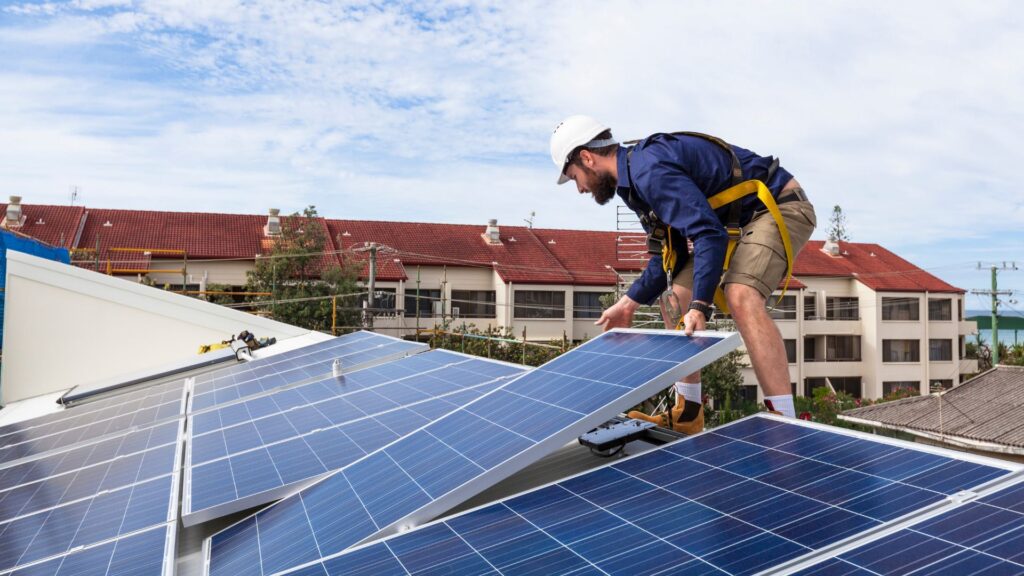
Proper installation is key for maximising solar investment. Professional solar panel installation and maintenance services in Brisbane & the Gold Coast are available to assess roof suitability, angle, and shading to determine solar suitability. Weighing long-term savings against initial costs can help determine if solar panels are right for your home. If you’re in the Logan area, our local electrician in Logan team can help you explore energy-efficient solutions and professional solar panel installation.
Related posts:
 Everything You Need To Know About Smart EV Charging
 Photoelectric vs. Ionisation Smoke Alarms – Which is Right for You?
 Thinking Of Buying An EV? Here’s All You Need To Know
 When Should You Upgrade Your Switchboard?
 How Effective Is Solar EV Charging?
 How to Choose the Right Solar Battery for Your Home
