Post
Average Electricity Bills On The Gold Coast: 2026 Update
- Fixed, Upfront Pricing No surprises; you’ll know the cost before we start.
- 24/7 & Same Day Service Across all of Greater Brisbane & the Gold Coast.


- Fixed, Upfront Pricing No surprises; you’ll know the cost before we start.
- 24/7 & Same Day Service Across all of Greater Brisbane & the Gold Coast.
- Licensed & Insured All our electricians are fully licensed, insured and qualified.
- Workmanship Guarantee We don’t just fix it fast; we fix it for good.
Managing household expenses on the Gold Coast requires keeping a close eye on your utility costs. With shifting electricity tariffs, changing weather patterns and updates to regulatory pricing, understanding what constitutes a “normal” electricity bill is the first step to taking control of your energy consumption.
Need immediate help with a sudden power bill spike? Don’t wait for the next billing cycle. Connect with a licensed Gold Coast electrician to book a comprehensive energy audit today.
This blog post will break down the 2025-2026 average electricity costs for Gold Coast residents to help you understand what’s behind a typical electricity bill and provide some handy tips on how to keep those costs in check. We’ll also explore what affects your bill and how you can make small changes to save money.
The quick answer: What is the average Gold Coast electricity bill?
According to the Australian Energy Regulator (AER), the average annual electricity bill for a typical residential household is around $2,143 per year. This equates to roughly $535 per quarter, or $179 per month. However, many households switch to competitive offers which can run between 18-27% lower than the default. This means that often Gold Coast households average around $1,564-$1,757 per year.
Average Gold Coast electricity bills by household size
The amount spent on electricity varies significantly based on the size of the household as well as the age of its occupants. Data from independent consumer research indicates that the average quarterly and annual bills scale relative to the number of occupants in a home:
| Number of Residents | Average Quarterly Electricity Bill | Average Yearly Energy Costs |
| 1 | $307-345 | $1,228-$1,380 |
| 2 | $430-520 | $1,720-$2,080 |
| 3 | $495-610 | $1,380-$2,440 |
| 4 | $615-765 | $2,460-$3,060 |
Table showing average electricity bill per number of residents as per Canstar Blue research (May 2026) and benchmarks from the AER
Across Australia older residents, particularly those aged over 65, tend to spend less, averaging $1,377 annually, while middle-aged residents, around 40 years old, may see annual costs exceeding $1,846. Part of the reason for these differences are different lifestyle habits and property sizes.
Seeing these variations highlights the importance of understanding individual household energy needs and usage patterns to find areas where residents have control over expenses.
One area outside of a property owner’s control is the set prices for electricity usage and delivery. Different retailers have different plans, pricing structures and deals so it’s important to seek out a provider who offers the best fit to a property’s electricity use patterns.
By staying informed about their energy consumption residents of the Gold Coast can manage and potentially reduce their expenses.
What factors drive up your Gold Coast power bill?
If your electricity bill arrives and it’s higher than you expected, it’s rarely due to a single problem. On the Gold Coast, household power spikes are usually driven by a combination of regional grid pricing structures, climate demands and hidden inefficiencies within your home’s electrical ecosystem.
1. The peak demand window
If your home is on a Time-of-Use (ToU) tariff, when you use power matters just as much as how much you use. Data from Energex highlights that peak demand across the Gold Coast occurs daily between 4pm and 9pm.
During these hours, wholesale electricity costs surge as thousands of families arrive home, turn on their AC, cook dinner and run entertainment systems simultaneously. If you are running high-draw appliances during this five-hour window without solar or battery storage to offset the drain, you are paying the maximum retail rate per kilowatt-hour (kWh).
2. Inefficient or outdated air conditioning systems
In the Gold Coast climate, climate control accounts for up to 40% of total household energy consumption during seasonal peaks. The financial drain escalates dramatically under two scanarios:
- Older, non-inverter air conditioners operate on an ‘all-or-nothing’ basis, constantly drawing maximum power. Modern inverter systems throttle down to use minimal energy one the set temperature is reached.
- Blocked and dust-laden filters restrict airflow. This forces the system’s fan and compressor to work twice as hard to achieve the same cooling output, quietly adding hundreds to your annual electricity bill.
3. Constant run pool pumps & filtration systems
The Gold Coast has one of the highest densities of domestic swimming pools per capita in Australia. However, a standard single-speed pool pump can draw roughly 1,000 to 1,500 watts of power.
- If a pump runs for 8 hours a day on a standard domestic tariff, it can single handedly add hundreds to your annual electricity costs.
- The cost can double if the pump is accidentally timed to run during the 4-9pm peak window.
4. Electric hot water storage systems
Water heating is the second largest energy user in standard Australian homes, consuming between 15% to 30% of a household’s energy use.
- Traditional electric cylinders store hot water under constant thermal pressure. If the tank insulation is compromised, or if the unit is located outdoors and exposed to the coastal winds, it is likely to experience standby heat loss. This forces the electrical heating element to activate repeatedly.
- If a high-volume hot water system is wired to a continuous supply tariff rather than a dedicated economy/controlled load network tariff, you are likely paying premium rates to heat your water.
5. Phantom electrical loads
Many modern electronics never truly turn off, instead they simply enter standby mode. Often referred to as “vampire power”, appliances like smart TVs, game consoles, microwave clocks and multi-room sound systems continuously draw power while idle. While a single device seems negligible, an entire household of standby electronics running 24/7 can silently contribute to a sizeable chunk of your electrical costs.
6. Fixed daily supply charges
A commonly forgotten factor, is that retailers charge a fixed daily supply charge. Even if you turned off every switch in your house and went on holiday for three months, you still would end up with a bill to pay. This daily supply charge covers the ongoing maintenance and operational costs of the Energex distribution grid. Across the Gold Coast, these charges generally sit between $1-$1.60 per day.
Tips for Reducing Electricity Bills
While shopping around for a better retail rate or discount can offer short-term relief, the most sustainable way to lower your power bill is to reduce your home’s energy demand through strategic electrical improvements. A qualified Gold Coast electrician can help with suggestions, upgrades and energy-efficient installations to keep your bills low. Here are a couple of our professional tips:
1. Transition to LED lighting
Upgrading old halogen or incandescent downlights to modern, energy-efficient LED lighting can reduce your lighting energy consumption by up to 80%. LEDs also produce far less ambient heat, meaning your AC doesn’t have to work as hard to keep your home cool.
2. Install smart tariffs & economy meters
If you have high-draw appliances like pool pumps or electric hot water systems, an electrician can directly wire them into economy tariffs. This ensures these systems only run during off-peak windows or when electricity rates are at their cheapest, dropping your running costs.
3. Service or upgrade your air conditioning
Regularly cleaning filters and scheduling professional air conditioning maintenance keeps your system running at peak efficiency. If your system is over 10 years old, replacing it with a modern inverter split-system or ducted system can drastically cut summer power spikes.
4. Investigate solar power and battery storage
Given the high solar irradiance on the Gold Coast, utilising rooftop solar allows you to run major appliances entirely on self generated power during the day, minimising what you pull from the Energex grid.
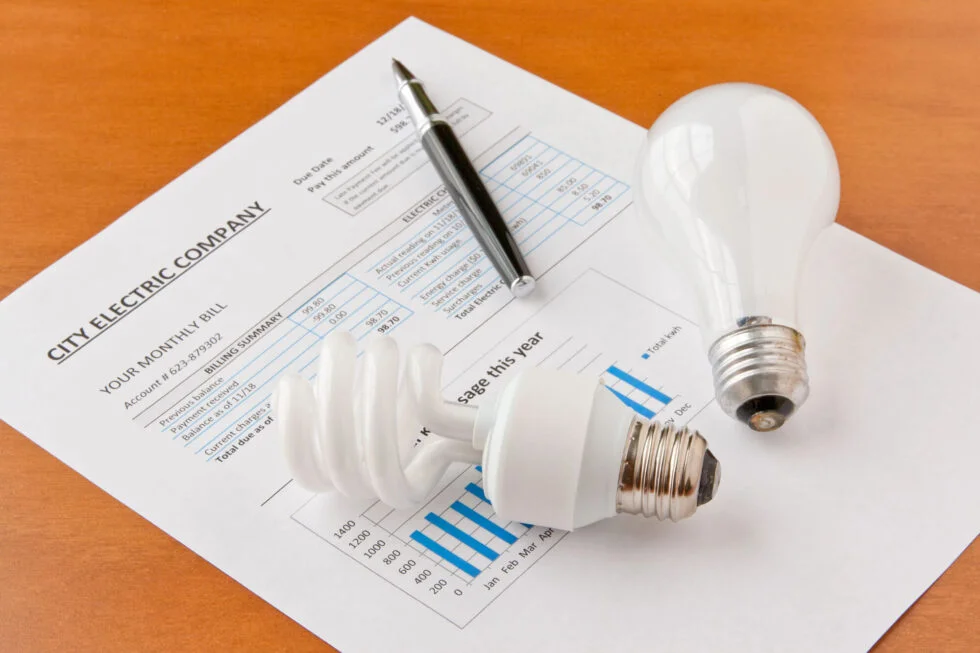
Need Help Lowering Your Gold Coast Home's Energy Costs?
If your electricity bills are high than the Gold Coast average and you can’t figure out why, it’s time to call in the Gold Coast electrician experts. Faulty appliances, outdated wiring, or poor tariff configurations could be draining your wallet every single day.
Our licensed team provides comprehensive efficiency audits, appliance upgrades and tailored energy saving solutions across the region. For homeowners outside of the Gold Coast, call a Brisbane electrician or Logan electrician today and book a local expert to take control of your energy bills.
Your local electrical team
Straight answers. Safe workmanship. A tidy finish.
From the first call to final testing, YEE keeps the job clear and practical. Your electrician explains the issue, talks through the options and checks the completed work before leaving.

Electrical Tips