Post
How To Navigate The Different Types Of Smoke Alarms
- Fixed, Upfront Pricing No surprises; you’ll know the cost before we start.
- 24/7 & Same Day Service Across all of Greater Brisbane & the Gold Coast.


- Fixed, Upfront Pricing No surprises; you’ll know the cost before we start.
- 24/7 & Same Day Service Across all of Greater Brisbane & the Gold Coast.
- Licensed & Insured All our electricians are fully licensed, insured and qualified.
- Workmanship Guarantee We don’t just fix it fast; we fix it for good.
Nothing has ever been clearer than the following four words: smoke alarms save lives. And don’t take our word for it – just take a look at the stats. For every five home fire deaths, at least three occurred in houses with faulty or no working smoke alarms, with over 40% of all home fires occurring in properties with most smoke alarms whose batteries were missing. They’re alarming statistics, and yet it remains quite a difficult topic to get your head around - especially as there are various different types of smoke alarms in the first place.
Let’s explore those smoke alarm types
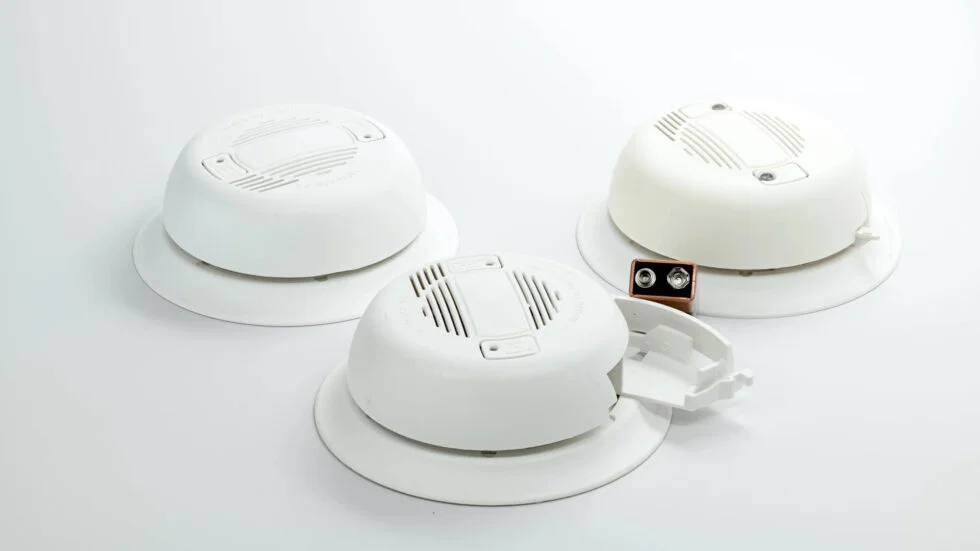
Sure, the photoelectric alarms and ionisation smoke alarm types are the most common in Australia, but there are a few other types of smoke alarm technologies you also might like to know about:
- Photoelectric: This one is the Gold Standard of today, which is especially the case in Queensland. This most sophisticated of the most common types of smoke detector is also known as the ‘optical’ smoke alarm - because it ‘sees’ even the tiniest specks of combustible particulate, otherwise known as smoke. It means that an early, smoky or smouldering fires is picked up as early as possible and is much less prone to false alarms. And unlike the next smoke alarm types, photoelectric smoke alarms are not radioactive in any way.
- Ionisation: While the manufacturers insist it’s not harmful at all, ionisation smoke alarms are the ones with the radioactive logo on the base. Think of them as the cheaper, older and less effective of the main two smoke detector types, mainly because it misses those single smoke particles and instead really need a denser flow of smoke or an actual flaming fire to set them off – even though they seem to be triggering all the time when you cook toast, dinner or even have a misty shower.
- Multi-Criteria: You’re much less likely to find these types of smoke alarms Australia-wide – and not just because they’ll cost you hundreds of dollars. They’re much more suitable for an area that needs to deal with a certain amount of smoke or similar airborne particulate – and even fire – without the tendency of a home smoke alarm to be constantly alerting your attention. It’s called ‘multi-criteria’ because it bundles a photoelectric sensor with a temperature-monitoring thermal sensor as well as an infrared sensor, whose job is to ‘look’ for flame signatures.
- Dual-Sensor: While the multi-criteria alarm has three sensors, the dual-sensor version – predictably – has just two. They are the sophisticated photoelectric sensor technology and the radioactive ionisation type, as outlined above. In other words, you’re getting the benefits of photoelectric with the downsides of ionisation.
- Carbon Monoxide: Well, it’s actually not a smoke alarm at all – it’s a carbon monoxide alarm! The electrochemical sensor triggers the alarm when carbon monoxide levels rise to alarming rates, so it should be considered a potential addition to your smoke alarms rather than an alternative.
- Hearing-Impaired: Did you know 1 in 6 Australians have hearing problems? For these people, a normal smoke alarm might not wake them up in the dead of night, so some products trigger a high-intensity strobe light or even a vibrating pad under the sleeper’s pillow to alert them to fire danger.
- Wireless Interconnected: As technology races ahead these days, the trend is definitely away from wired systems across the board - and finally, photoelectric wireless interconnected smoke alarms are a genuine rather than cheap second-rate alternative to wired when it comes to keeping your family & home safe from the threat of fire.
What’s the difference between smoke alarms and smoke detectors
What’s the difference between smoke alarms and smoke detectors
While often used interchangeably, “smoke alarms” and “smoke detectors” refer to different devices, each that has a specific role in fire safety and keeping you protected in your home.
Smoke alarms
A smoke alarm is a standalone unit; when it detects smoke, it emits an audible alarm designed to alert you. They are typically powered by batteries or are hardwired into a home’s electrical system and feature built-in sensors that react to smoke particles in the air.
Smoke detectors
Conversely, smoke detectors are integral components of larger fire alarm systems, rather than stand-alone units. Unlike smoke alarms, which emit an immediate alert upon detecting smoke, smoke detectors are designed solely to sense smoke and relay the information to a control panel or monitoring service, which in turn emits an audible and sometimes visual alert. This setup allows for a coordinated response, making smoke detectors ideal for comprehensive safety solutions in larger buildings or commercial spaces, where a single alarm would not suffice. Their interconnected nature enables alarms throughout the facility to activate simultaneously if smoke is detected, ensuring that anyone in the building is notified promptly, regardless of their location.
Best type of smoke alarm
When it comes to choosing the best type of smoke alarm, photoelectric alarms are a stand-out choice due to their effectiveness in detecting smouldering fires (due to electrical malfunctions or cooking accidents, both common causes of household fires). These alarms utilise light sensors to identify smoke particles, offering a faster response time compared to ionisation alarms (that detect smoke particles), especially in low-temperature fires, which produce larger smoke particles that can be more challenging for ionisation alarms to detect quickly. In fact, many fire safety experts recommend photoelectric alarms as the preferred choice for residential properties, as they significantly reduce the risk of false alarms while ensuring timely detection.
You can never be too prepared for a fire, so if you’re looking for comprehensive safety, you should consider installing interconnected smoke alarms throughout your home. This system ensures that if one alarm is triggered, all alarms sound simultaneously, providing coverage that can be heard from any part of the house - whether you’re asleep, on the toilet or in the basement. This approach not only enhances your family’s safety but also complies with many local regulations. Additionally, regular maintenance, such as testing alarms monthly and replacing batteries annually, is crucial for ensuring optimal performance.
What to look for in a smoke alarm
When choosing a smoke alarm, there are some key features you should consider ensuring safety. Firstly, look for photoelectric or dual-sensor alarms, which are better at detecting fires. Secondly, it is also important they comply with local safety regulations, which may mandate interconnected alarms so that all unit’s sound if one is triggered, providing alerts throughout your home.
For battery-operated models, opt for long-life batteries, ideally those lasting 10 years, to minimise maintenance; however, it is still important to check these annually. Features like hush buttons can silence false alarms, while voice alerts offer clearer notifications during emergencies. Also, consider the ease of installation and maintenance, as user-friendly designs encourage regular testing. Selecting a smoke alarm with these essential features can significantly enhance your home’s fire protection.
How to choose your smoke detector types
Luckily, in Queensland, your choice of smoke alarm has basically been made for you by the government! As of January 2022, strict new smoke alarm legislation came into full force across the state, with the aim of saving lives by making sure a single home fire is never missed by sleeping or otherwise-engaged residents. How the rules affect you depends on your status, so let’s run through them based on your particular situation:
Are you living in your own home?
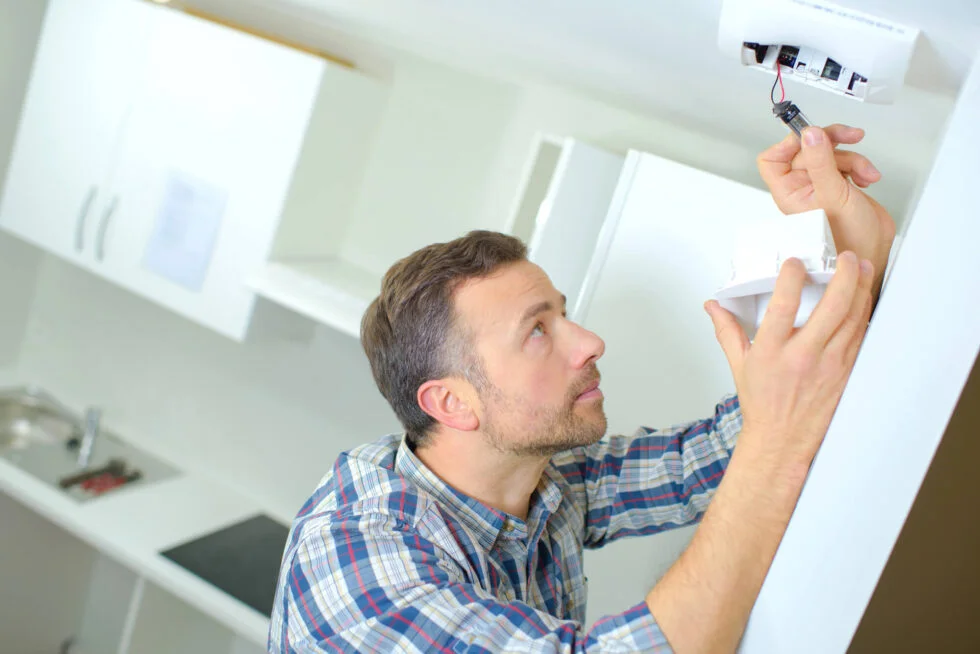
For many Queenslanders, especially homeowners in and around Brisbane, ‘new’ legislation actually took effect in 2017. It required all existing dwellings to replace their more than 10-year-old smoke alarms with brand new photoelectric smoke alarms up to date with the latest Australian Standards - even if the old ones were working and hard-wired smoke alarms. Any faulty or ‘dead’ alarms also needed to be urgently replaced.
TIP: Look for Australian Standard 3786-2023 on the product.
The next part of the legislation for existing private homes will kick in by 2027, when your photoelectric smoke alarms will also need to be fully interconnected. Hard-wired is preferable, but 10-year batteries are also acceptable. These alarms then need to be fitted:
- On each storey
- In each bedroom
- In connecting hallways.
Are you renting?
Since 2017, your landlord has been responsible for ensuring the property you’re renting is fully up-to-date with the requirements outlined above. Additionally, before each lease begins, landlords were required to test and clean each and every smoke alarm - and then repeat the process every 12 months.
TIP: A smoke alarm is tested by pressing the clearly marked ‘test’ button.
Are you a landlord?
If you’re a landlord, you should read the requirements in the ‘Are you renting’ section above to understand your responsibilities. We must add that testing or cleaning a smoke alarm doesn’t require any special training or qualifications, even though some landlords or rental management agents will outsource these responsibilities to certain professionals.
As of 2022, landlords cannot kick off a new rental agreement without installing a fully interconnected photoelectric smoke alarm network in the dwelling.
Are you building or doing major renovations?
If you’re building new, or your major renovations require a Building Certifier, you must install hard-wired interconnected photoelectric smoke alarms with a battery secondary power source in all the required places. Moreover, any ionisation sensors are prohibited - meaning the dual-sensor smoke alarm type we outlined earlier is not allowed.
Are you selling?
To sell a home in Queensland, it’s been compulsory since 2017 to fit photoelectric smoke alarms first. From 2022, the smoke alarms also have to be interconnected and either hard-wired or fitted with 10-year batteries.
Cost of smoke alarms
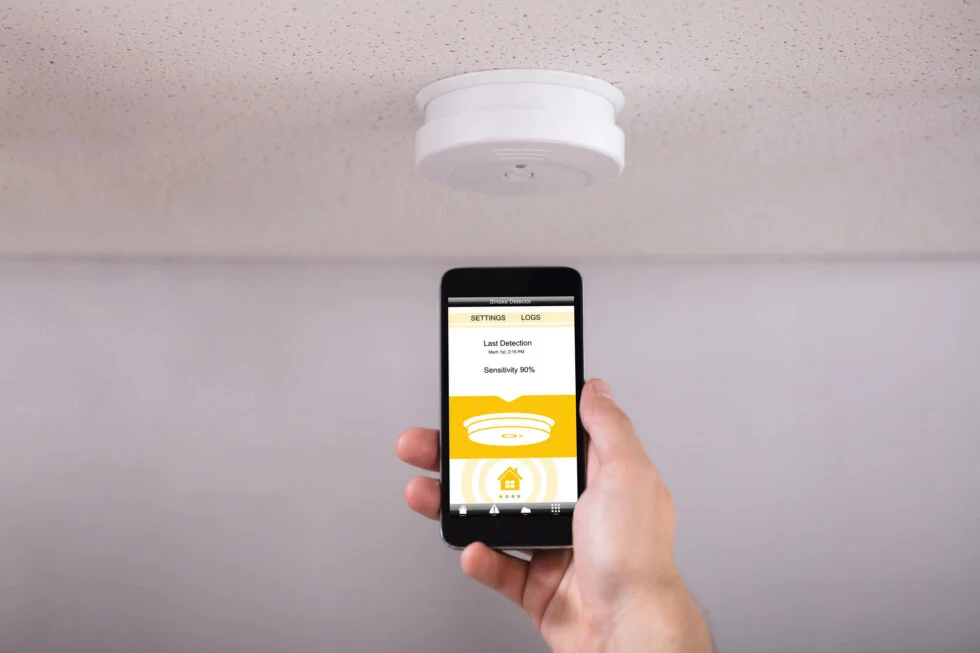
If you are looking to buy a smoke alarm or replace an existing one, it’s essential to factor in both their costs and safety features. Basic battery-operated smoke alarms can range from $10 to $50, while hardwired models with battery backup typically cost between $30 and $100. More advanced options, like interconnected systems or those with added features such as smart technology or voice alerts, can range from $100 to $300.
While upfront costs are an important consideration, investing in high-quality smoke alarms can lead to long-term savings by potentially reducing insurance premiums and minimizing the risk of property damage. Additionally, regular maintenance and timely battery replacements can further extend the lifespan of these devices, making them a wise investment for any homeowner. In the long run, ensuring the safety of your home and loved ones through reliable smoke alarms far outweighs the initial purchase price.
We’ll take care of your smoke alarm needs
Feeling unsure about your smoke alarms or what the latest rules mean for you? Don’t worry - Your Electrical Expert is here to help. Our fully licensed, highly experienced, and always friendly electricians service Brisbane, the Gold Coast, and beyond.
If you’re in the Logan area, our local electrician in Logan team can help with smoke alarm installation, upgrades, and compliance checks to keep your home safe and up to code.
Our team understands that Queensland’s smoke alarm legislation exists to save lives - and we’re proud to make compliance simple, safe, and stress-free. Call Your Electrical Expert today to schedule your smoke alarm servicing or installation.
Your local electrical team
Straight answers. Safe workmanship. A tidy finish.
From the first call to final testing, YEE keeps the job clear and practical. Your electrician explains the issue, talks through the options and checks the completed work before leaving.

Electrical Tips