Post
How To Choose The Right Air Conditioner For Your Brisbane Home
- Fixed, Upfront Pricing No surprises; you’ll know the cost before we start.
- 24/7 & Same Day Service Across all of Greater Brisbane & the Gold Coast.


- Fixed, Upfront Pricing No surprises; you’ll know the cost before we start.
- 24/7 & Same Day Service Across all of Greater Brisbane & the Gold Coast.
- Licensed & Insured All our electricians are fully licensed, insured and qualified.
- Workmanship Guarantee We don’t just fix it fast; we fix it for good.
Brisbane’s hot and humid climate demands reliable cooling solutions for homes. Selecting an appropriate air conditioner makes the difference between comfort and sweltering through the hot summer months.
There are a lot of considerations to take into account when buying an air conditioner such as size, positioning, features and price. Knowing how these factors come together helps homeowners make informed choices when buying a cooling unit for their property.
For a Brisbane home, the correct air conditioner size is 1-1.5kW of cooling capacity per 10 square metres of living space. This calculation helps homeowners choose units that cool effectively without wasting energy or money - and a licensed electrician in Brisbane can also help assess the right size and placement for your home.
Every home will have unique cooling requirements. It’s important to take into account the local subtropical weather patterns and varying home designs. Typically, split systems suit most Brisbane homes, ducted systems work well for larger properties, and portable units can cool single rooms cost-effectively.
This article goes into more detail on the different types of air conditioners available and how to make an informed choice for purchase, installation and maintenance.
Types of Air Conditioners & Their Benefits
There are a number of different air conditioner types that suit different living situations and budgets. Split systems work well in apartments, while ducted systems shine in larger homes. Window units and portables provide quick solutions for specific cooling needs.
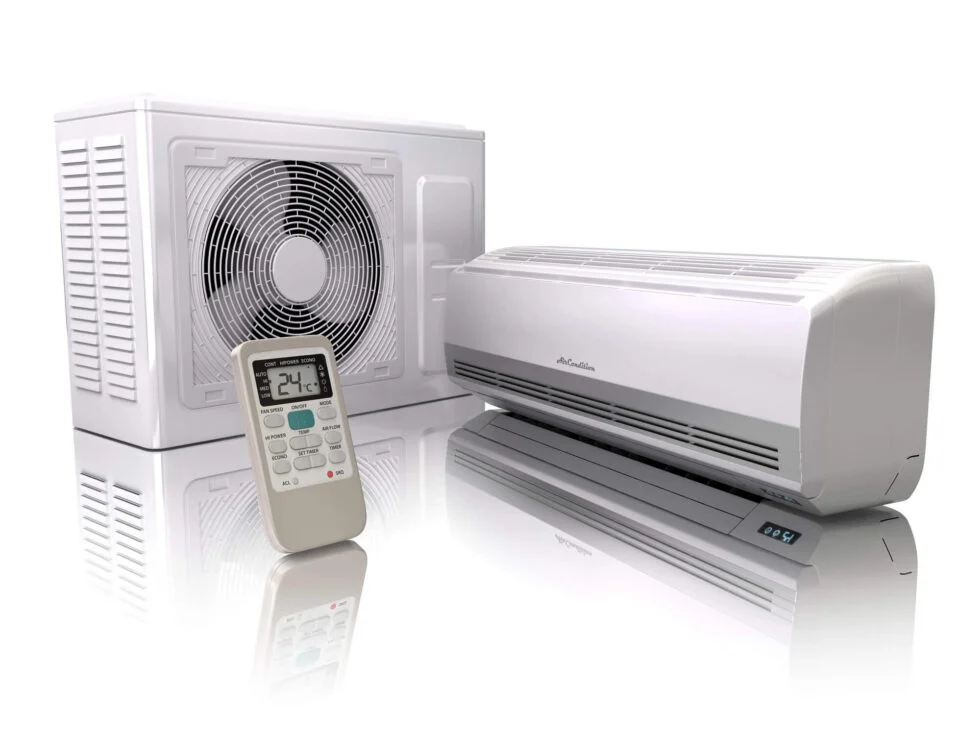
Split systems lead the air conditioning market in Brisbane. These units consist of an indoor and outdoor component connected by refrigerant pipes. They maintain precise temperature control in single rooms while operating quietly.
Multi-split systems allow multiple indoor units to connect to one outdoor unit. These are perfect for cooling several rooms independently, saving outdoor space compared to multiple split systems.
Ducted air conditioning delivers cool air through ceiling vents across an entire home. The central unit connects to each room via a network of ducts, offering complete climate control throughout the property with zone control for different areas.
Portable air conditioners suit renters or those needing temporary cooling solutions. These low-cost standalone units can move between rooms but require a window or vent for the exhaust hose.
Window units fit directly into window frames or wall openings and require no professional set up. They present an economical choice for small spaces, though they tend to use more power than modern split systems.
It’s important to look at the cooling needs of the property to decide which system will deliver the most benefits.
Key Factors to Consider
It’s important to buy the right cooling system as this will create ongoing savings for the life of the unit.
Room size directly impacts air conditioner selection. An undersized system struggles with humidity, while an oversized system wastes energy. A unit’s cooling capacity should match the space – measured in kilowatts (kW) for Australian homes.
Cooling capacity considerations:
| Room Type | Room Size | Capacity required |
| Small room | Up to 20m² | 2.5 to 3.5 kW |
| Medium room | 20-40m² | 3.5 to 5.0 kW |
| Large room | 40-60m² | 5.0 to 6.0 kW |
| Open plan | 60m²+ | 7.0 to 9.0 kW |
Noise levels matter for the comfort of occupants and neighbours so placement of the unit is important. Modern units operate between 20-50 decibels inside and 45-65 decibels outside.
There are also a range of special features to consider.
-
- Air quality: Indoor air quality features include washable filters and anti-bacterial coatings. These help remove dust, pollen, and other airborne particles.
- Dehumidification: Brisbane’s humidity requires effective moisture control. Look for units with strong dehumidification capabilities to maintain comfort levels between 30-50%.
- Temperature sensors
- WiFi connectivity: Smart features also allow the unit to be turned on remotely
- Programmable timers
- Sleep modes
- Airflow direction control
Professional installation by an air conditioning expert is essential for optimal performance. They can advise on placement and power requirements.
Brisbane’s Climate & Air Conditioning Needs
Brisbane experiences subtropical weather with hot, humid summers and mild winters. Average summer temperatures reach 30°C, while winter temperatures drop to 10–20°C.
The city’s high humidity levels make the heat feel more intense. Summer humidity often exceeds 65%, creating uncomfortable indoor conditions without proper cooling. And just down the coast, homeowners face similar challenges - working with an experienced electrician on the Gold Coast can make it easier to choose and install the right air conditioning system for coastal conditions.
Key climate factors affecting air conditioning needs:
- Hot summers lasting 4-6 months
- High humidity year-round
- Frequent temperature fluctuations
- Afternoon thunderstorms in summer
- Cool winter mornings
A well-sized air conditioner helps manage these challenging conditions. Split systems work for single rooms, while ducted systems cool entire homes effectively. The combination of ceiling fans with air conditioning can reduce energy costs by up to 40%. This setup proves especially beneficial in Brisbane’s subtropical climate.
Ducted air conditioning systems excel in Brisbane’s climate. They distribute cool air evenly throughout the home and remove excess moisture from the air.
Benefits of ducted systems for Brisbane homes:
- Whole-house temperature control
- Better humidity management
- Zone control for different rooms
- Lower running costs than multiple split units
- Improved air filtration
Professional installation helps maximise energy efficiency as well as ensure the proper placement of ducts and vents to create consistent airflow throughout the home.
Cost Considerations & Government Rebates
There is a big range in the cost of air conditioners. Overall, a standard split system in Brisbane ranges from $1,500 to $7,000 upfront. Installation costs typically add another $600 to $2,500, depending on system complexity and access requirements.
Electricity tariffs
Upfront costs are only part of the picture, it’s important to account for the ongoing costs. As well as general use, peak summer operation of a medium-sized split system adds $100 to $200 to quarterly power bills in Brisbane.
Energy ratings
Energy efficiency ratings (ranging from 1 to 6 stars) show how much energy will be needed to use a system. Higher-rated models cost more upfront but reduce electricity bills in Brisbane’s hot climate.
A 5-star unit uses up to 30% less electricity than a 2-star model of the same size.
Insulation
Older homes may need more powerful air conditioning units if there isn’t quality insulation. It can be worth considering insulation upgrades to reduce energy waste and keep the property more comfortable year-round.
Maintenance
Professional servicing is available for around $150-300 annually. This will help prevent expensive repairs and maintain optimal performance.
Government Rebates
To help make cleaner energy more affordable, the Queensland Government offers rebates of up to $300 for residential air conditioner installations meeting specific energy efficiency criteria. These rebates apply to systems purchased from approved suppliers and installed by licensed technicians.
Professional Installation & Maintenance
Professional installation of air conditioning systems maintains warranty coverage and maximises system performance.
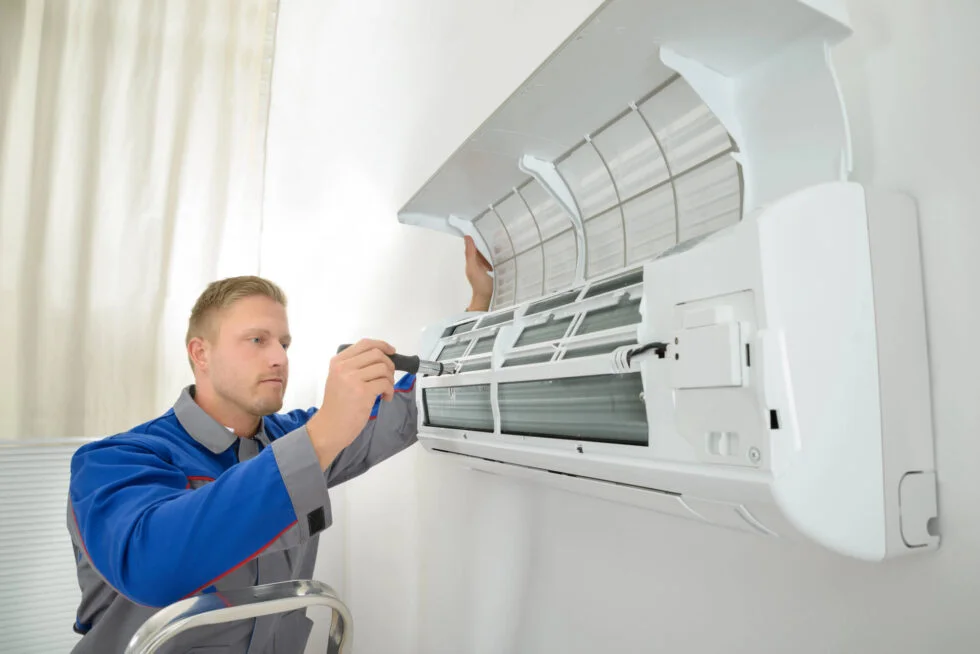
The installation process involves mounting indoor and outdoor units, connecting refrigerant lines, and setting up electrical components. A qualified technician will select appropriate locations for both units to optimise airflow and efficiency, using the right tools and expertise to complete installations safely and correctly.
Regular maintenance by certified professionals extends the life of air conditioning systems and ensures warranties are valid. Technicians clean filters and coils, check refrigerant levels, and inspect electrical connections during service visits.
Benefits of professional servicing:
- Lower energy bills
- Reduced repair costs
- Extended system life
- Better cooling performance
- Maintained warranty coverage
Brisbane’s humid climate makes professional servicing essential. Most manufacturers recommend twice-yearly maintenance visits to keep systems running at peak efficiency.
How to Choose the Right Air Conditioner for Your Brisbane Home
Selecting an air conditioner for a Brisbane home requires careful consideration of several key factors. While costs are a priority, it’s essential that homeowners first look at climate, room size and orientation to suitably match the right air conditioning system to the space.
Installation location affects both performance and running costs. Professional assessment of sun exposure, room layout, and insulation quality helps determine the most effective placement.
The right air conditioning solution reduces power bills while maintaining comfort. Regular maintenance keeps systems running efficiently in Brisbane’s demanding climate. To get the most out of air conditioning performance contact the Gold Coast air conditioning experts today.And if you’re located between Brisbane and the coast, our local electrician in Logan team can assist with air conditioning installation, servicing, and energy-efficient upgrades.
Your local electrical team
Straight answers. Safe workmanship. A tidy finish.
From the first call to final testing, YEE keeps the job clear and practical. Your electrician explains the issue, talks through the options and checks the completed work before leaving.

Electrical Tips