Post
Quick Guide To Australia’s Electrical Wiring Colour
- Fixed, Upfront Pricing No surprises; you’ll know the cost before we start.
- 24/7 & Same Day Service Across all of Greater Brisbane & the Gold Coast.


- Fixed, Upfront Pricing No surprises; you’ll know the cost before we start.
- 24/7 & Same Day Service Across all of Greater Brisbane & the Gold Coast.
- Licensed & Insured All our electricians are fully licensed, insured and qualified.
- Workmanship Guarantee We don’t just fix it fast; we fix it for good.
Electrical wiring colour codes are a vital safety system for working on Australian electrical circuits. They enable quick visual identification of each wire’s live, neutral or earth function. Standardized colours prevent installation and repair errors.
However, Australian standards have evolved over time. Older systems may not match today’s wiring colour codes. Outdated knowledge can lead to unsafe assumptions. Awareness of both past and present standards is crucial for professionals and DIYers. This allows informed, safe electrical work.
We will explain Australia’s previous and current wiring colour standards to promote proper electrical safety practices. Understanding the precise meaning of each colour code is key.
Understanding The Electrical Wiring Colour Code
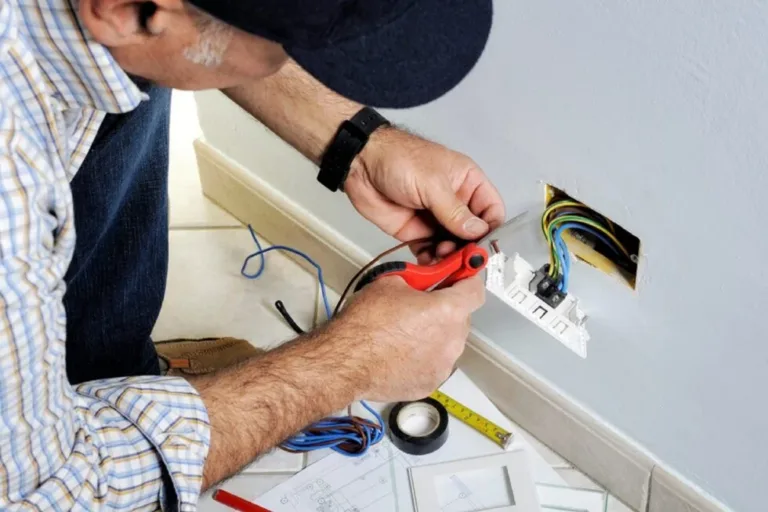
One of the reasons most – if not all – wiring and DIY electrical work in Australia are forbidden to anyone except fully licensed electricians is that electrical wiring colours are not universal across the globe. Sure, the current AS/NZS 3000:2018 standard means that the latest installations are much more in line with other key regions like Europe and the UK. But that won’t help for older wiring setups – where a neutral blue wire may be fully live, ‘hot’ and ready to give you a fatal zap.
Colour coding is inconsistent worldwide, and a standardised colour system prevents errors in installation and electrician repairs. It also informs DIYers and anyone working around electrical systems to avoid unsafe assumptions or uneducated guesses when dealing with wires.
Touching live AC wires poses electrocution risks, making colour codes a vital safety tool. Only licensed electricians have adequate training and expertise for electrical repairs and installation.
Before 2018, the previous Australian standards for electrical wiring colours were:
- Red for active
- Black for neutral
- Green for earth.
Don’t forget, an active, hot or live wire carries the high voltage current from the supply and is the most dangerous. Neutral wires complete the electrical circuit by returning current to the power source. Earth wires provide a safe path to the ground in case of a fault.

Current Standard For Electrical Wire Colours
Proper electrical wiring colour identification is essential for professionals and householders to ensure safety and compliance when working with Australian electrical systems and circuits.
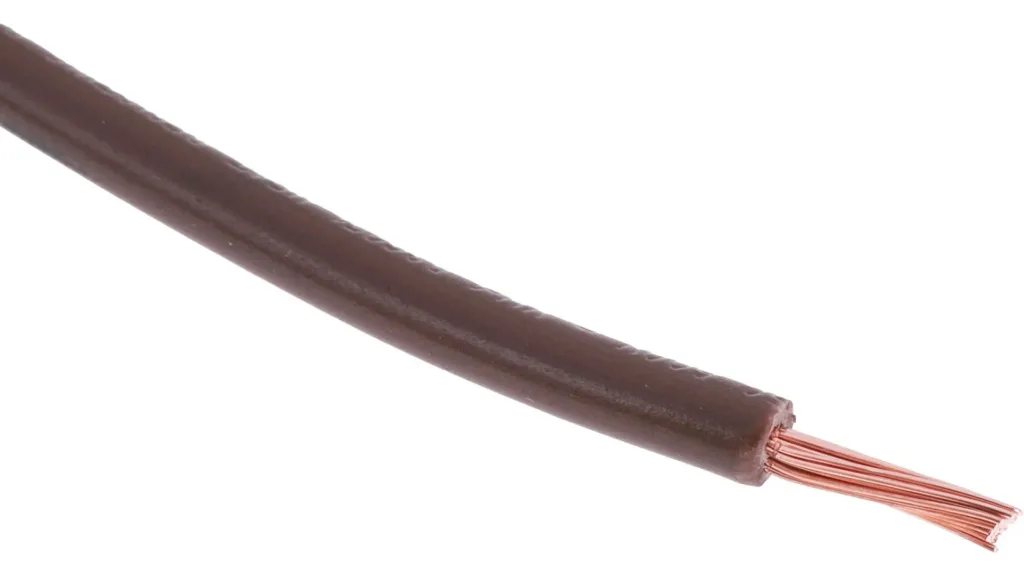
Brown Wires – Live Current
The brown wires in Australian electrical systems are live wires that carry dangerous high-voltage currents. When doing any electrical work, brown wires should be handled with caution. They are always connected last when installing or repairing wiring and disconnected first when powered down for safety. Brown wire identification alerts electricians to use proper precautions around live current.
Blue Wires - Neutral Pathways
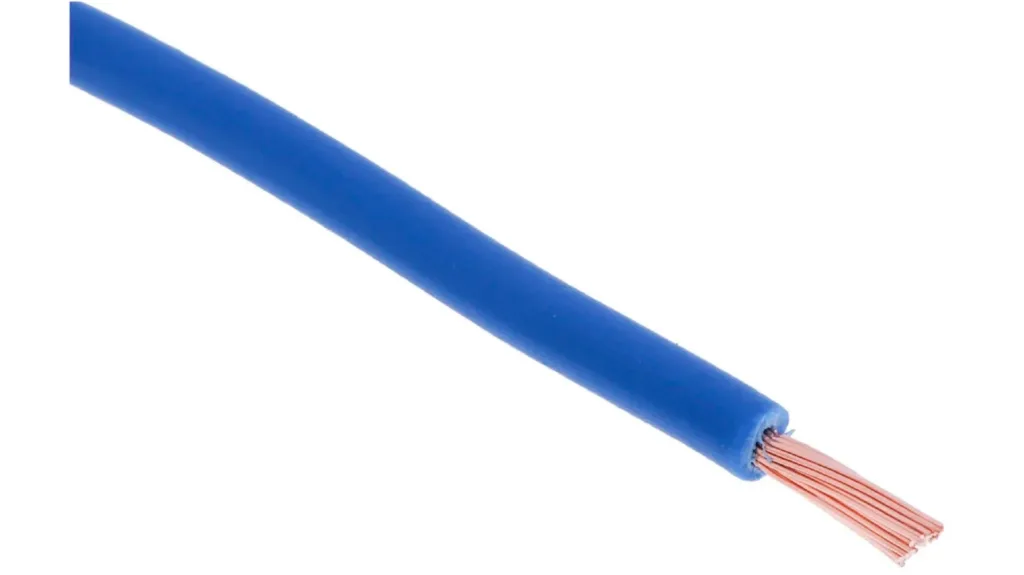
Blue-coloured wires serve as neutral return pathways in electrical circuits. They complete the loop back to the power source. Blue neutral wires are safe to touch when the system is powered down for maintenance. They do not pose electrocution risks like live brown wires. Blue provides quick visual identification of neutral wiring.
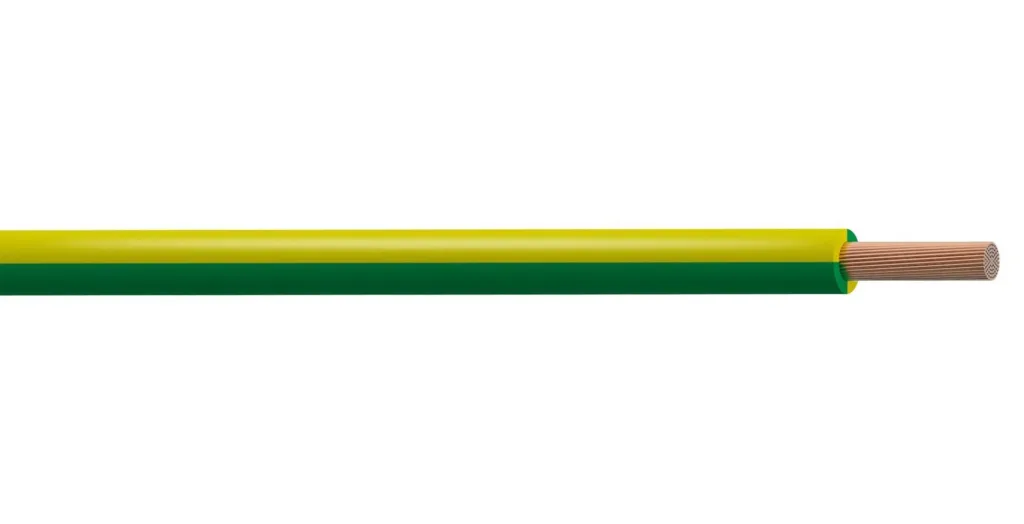
Green/Yellow Wires - Earth Grounding
The green and yellow striped wires provide earth-grounding connections. If a faulty electrical application attempts to send current through a person, the green/yellow wires redirect it safely into the ground. This prevents electrical shocks or electrocution. Green/yellow earth wires are an essential protective measure in Australian electrical wiring codes and standards.
Other Common Wiring Colours
Other wire colours may be present in Australian electrical systems besides the standard brown, blue, and green/yellow. Older wiring may use black for neutral and bare copper for grounding. White and grey wires are also sometimes seen. With multiple existing wiring colour standards, confusion is likely. The complexities demonstrate the importance of having certified electricians handle all electrical work. They are trained to identify wiring colours and functions accurately based on installation age and other factors. Homeowners should not make assumptions when seeing non-standard wire colours.in The end
In Summary
Familiarity with Australian electrical wiring colour codes is crucial for safely working on electrical systems. Current standards use brown, blue, and green/yellow to identify live, neutral and earth wires. Older wiring may still use red, black and green as codes. DIY electrical work risks confusion between old and new colour standards. All electrical repairs and installation legally require fully licensed electricians to ensure safety and compliance.
At Your Electrical Expert, our certified technicians expertly handle electrical wiring services in homes and businesses. We provide affordable pricing with quality workmanship guaranteed. With years of experience, our electricians can assess electrical faults, rewire appropriately to the latest codes, and perform safe repairs to get your electrical back up and running. For assistance with electrical wiring, installation, and solving any electrical issues, contact Your Electrical Expert today. Our qualified electricians provide prompt, reliable electrical same-day services with affordable prices and a 100% lifetime workmanship guarantee across Brisbane and the Gold Cost
Your local electrical team
Straight answers. Safe workmanship. A tidy finish.
From the first call to final testing, YEE keeps the job clear and practical. Your electrician explains the issue, talks through the options and checks the completed work before leaving.

Electrical Tips